


원본과 통섭-유리알 유희 Integration – The Glass Bead Game
Hermann Hesse’s The Glass Bead Game presents a profound reflection on the integration of knowledge, art, and philosophy. Through Joseph Knecht’s lifelong pursuit of harmony, Hesse explores how intellect and creativity converge into a higher form of enlightenment. This essay interprets the “game” as a symbolic union of music and thought — a metaphor for the human quest for synthesis and transcendence. Ultimately, it invites readers to consider death not as an ending, but as the final, most complete expression of life’s philosophical and artistic fulfillment.
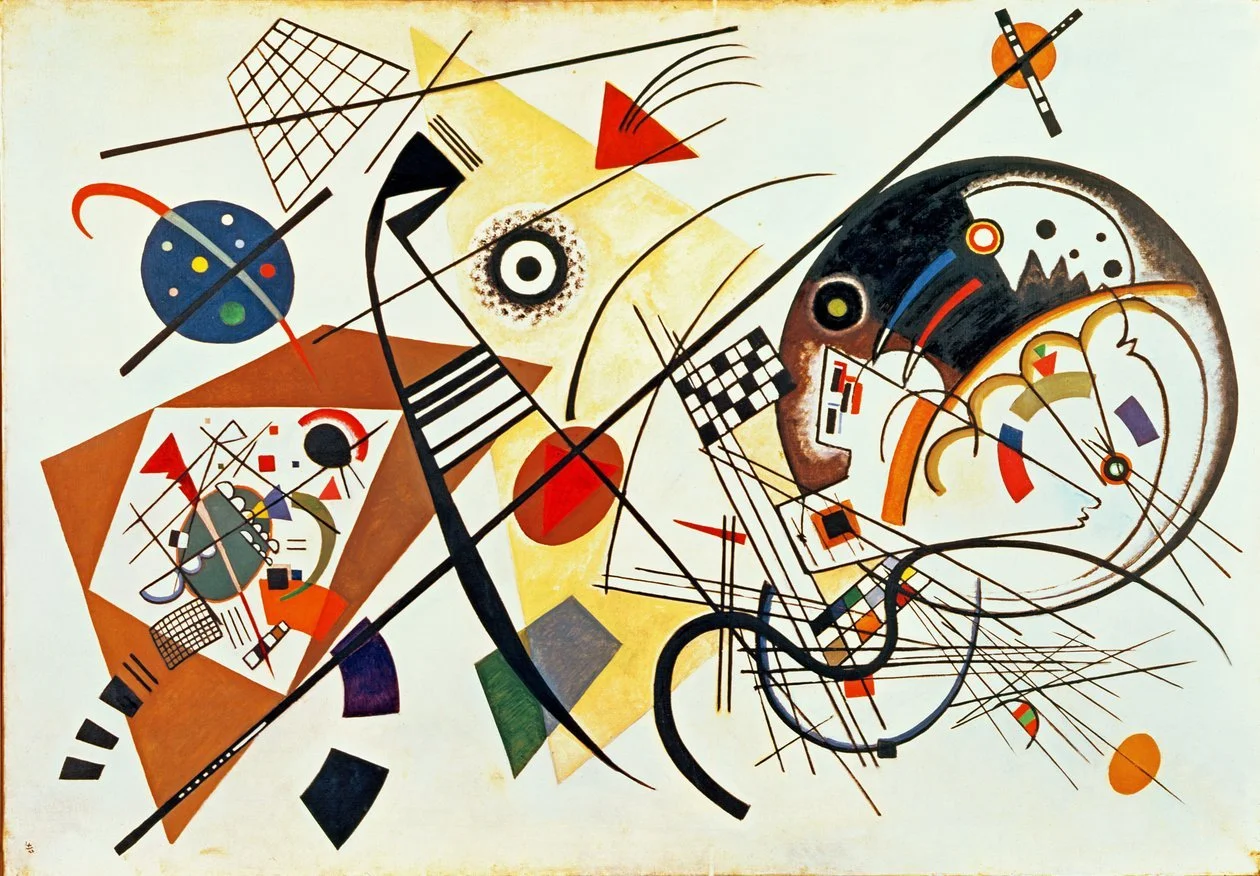
헤세의 ‘유리알 유희’를 읽었다.
I recently read The Glass Bead Game by Hermann Hesse.
‘요제프 크네히트’라는 유리알 유희 명인의 일대기를 그린 전기문을 닮은 소설이다. 이 소설을 이렇게만 말하면 간단한데, 그 제목부터가 진입 장벽이 높다. 과연 유리알은 무엇이고, 그것의 유희는 또 무엇을 뜻한단 말인가.
It is a novel that resembles a biography, tracing the life of Joseph Knecht, a master of the Glass Bead Game. Though this description sounds simple enough, even the title presents a formidable threshold. What are these “glass beads,” and what does their “game” truly mean?
유리알 하나하나는 일종의 심상이나 이데아를 생각해야 한다. 하지만 어릴적 놀던 구슬치기가 그렇듯, 하나의 유리알로 노는 것은 재미가 없다. 복수의 유리알들을 가지고 놀아야 재미가 있다. 일종의 심상들을 가지고 여러 개를 조화를 이뤄가면서 새로운 것을 창조해내는 것이 유리알 유희라고 할 수 있다.
Each bead can be thought of as a symbol — an image, or even an idea. But just as a single marble offers little joy to a child at play, a single bead alone cannot make a game. The true art lies in bringing many of these beads together — harmonizing multiple ideas, weaving them into new forms of creation. That, perhaps, is the essence of the Glass Bead Game.
소설에서 크네히트가 가장 소중하게 여기는 대상은 바로 음악이다. 음악은 분명 들으면서 인간으로 하여금 무엇인가를 느끼게 한다. 동시성과 즉각적인 소멸. 이것이 음악의 속성이다. 때문에 음악은 단순한 예술이 아니라 인간들과 집단을 제어할만한 강력한 힘을 가지고 있다고 믿고 있다. 학문의 정수(精髓)는 단 하나의 길이 있는 것이 아니다. 모든 학문 간의 경계를 넘어서 다리를 놓고 이것의 통섭이 음악으로 나타나는 것이다. 그리고 그것의 표현들은 숫자와 음표 혹은 다른 부호 대신 유리알을 사용한다. 즉 지적인 것과 예술의 정수로, 분할된 학문 및 예술들과의 통섭으로 나타나는 것이다.
For Knecht, music is the most precious form of this art. Music, by its nature, makes us feel something. It is simultaneous and ephemeral — existing only in the moment it is heard. Because of this, Hesse suggests that music is not merely an art form but a powerful force capable of guiding and transforming both individuals and societies. The essence of scholarship does not lie in one narrow path but in transcending boundaries — bridging disciplines through synthesis, much like music itself. In the game, glass beads replace numbers, notes, or symbols — embodying the unity of intellect and art, and the integration of divided fields of human knowledge.
크네히트는 유리알 유희 악기로 유희를 펼치는데, 그 소리는 청량하고 맑고 밝다. 그의 마음 속에 음악의 가장 아름다운 속성이 내재해 있고 그 속성은 그의 선조대부터 대대로 전해져 내려오는 것이다. 거기에 그의 지식과 예술적인 깊이가 더해지면서 결국 유리알 유희 명인의 자리에 오르게 된다.
When Knecht performs the Game, its sound is described as pure, bright, and crystalline. Within him resides the most beautiful essence of music, a gift inherited from generations past. With his intellectual depth and artistic insight, he eventually rises to become a true master of the Game.
흥미롭게도 유리알 유희는 ‘유희’라는 말처럼 크고 왁자지껄한 의미를 가지고 있지 않다. 해마다 유리알 유희의 날이면 사람들은 엄숙하고 진지한 마음으로 유희자들의 연주를 감상하고 행사에는 깊은 명상의 시간도 포함을 한다. 사실 우리 마음 속의 유희라는 것은 그렇게 대단한 것이 아닐 수도 있다. 유희가 깨달음의 기쁨, 더 높은 차원의 진입의 기쁨이라고 정의한다면, 그리고 그 기쁨을 진정으로 아는 사람이라면 이런 유리알 유희의 날과 같은 행사는 진정한 놀이의 날이라고 할 수도 있을 것이다.
Interestingly, the “game” in The Glass Bead Game is not a grand or boisterous spectacle. Each year, on the Day of the Game, people gather in solemn reverence, listening to the performances in deep contemplation. Perhaps our own sense of “play” is not so different. If play is the joy of enlightenment — the delight of entering a higher realm of understanding — then such a day could indeed be called a true celebration of play.
크네이트는 헤겔을 옹호하는데, 차원을 올라가는 깨달음의 기쁨이라는 점에서 무척 타당한 부분이라고 할 수 있다. 그는 ‘정밥합은 완벽한 세계였다’라고 한다. 그리고 그 ‘정반합’을 위해서는 반드시 위대하고 아름다운 원본에 대한 깊은 이해가 있어야 할 것이다. 그 원본은 바로 깊은 학문에 대한 정진과 예술 작품에 대한 조예라고 말하고 싶다. 그를 토대로 합의 지경을 열정적으로 꿈꾸는 자가 바로 크네이트이다. 그는 그 지경에 대한 열정을 영원한 발전, 영원한 초월이 되어야 한다고 주장한다.
Knecht aligns himself with Hegel’s philosophy, finding meaning in the joy of ascending through dialectical synthesis. “Thesis–antithesis–synthesis,” he believes, represents a perfect world. To reach that synthesis, one must first understand and revere the great and beautiful originals — the profound pursuit of knowledge and the refined appreciation of art. To dream passionately of that realm of synthesis is Knecht’s calling, and he insists that this passion must become an eternal drive — a continuous transcendence.
한계를 정하는 것은 인간의 숙명이다. 인간의 가장 큰 숙명은 바로 죽음이라면, 크네이트는 그것마저도 합의 지경에 이른 것이라고 생각한다. 그러니 좀더 기쁘게 그 순간을 맞이할 수 있지 않을까. 병과 노쇠의 정반합이 아닌, 가장 충일한 상태를 꿈꾸는 한 인간의 가장 원숙한 상태, 그래서 더더욱 마음 가볍게 우리는 죽음에 이를 수 있지 않을까.
To define limits is humanity’s destiny. If death is the greatest of all human destinies, Knecht views even that as a form of synthesis — the final harmony. Perhaps, then, we can meet that moment with serenity: not as a negation brought by illness or decay, but as the most fulfilled state of being — a mature soul’s final play, light and free.