당신의 취향은 무엇인가? 당신은 무엇을 좋아하는가?
취향은 넓은 범위 중에서 어느 한 부분을 선택함으로써 범위를 좁혀 나가면서 이루어진다.
사람의 이야기에 관심 있던 당신은, 우연히 넷플릭스에서 ‘나의 해방일지’라는 한국 드라마를 보게 된다.
주고받는 말들이 낯선데, 뭔가 퉁명스러우면서도 따뜻하다. 노래 소리 같기도 하다. 매일 지하철로 출퇴근하는 주인공처럼, 한번 서울에서 지하철을 타면서 한국 사람들의 일상을 느끼고도 싶다.
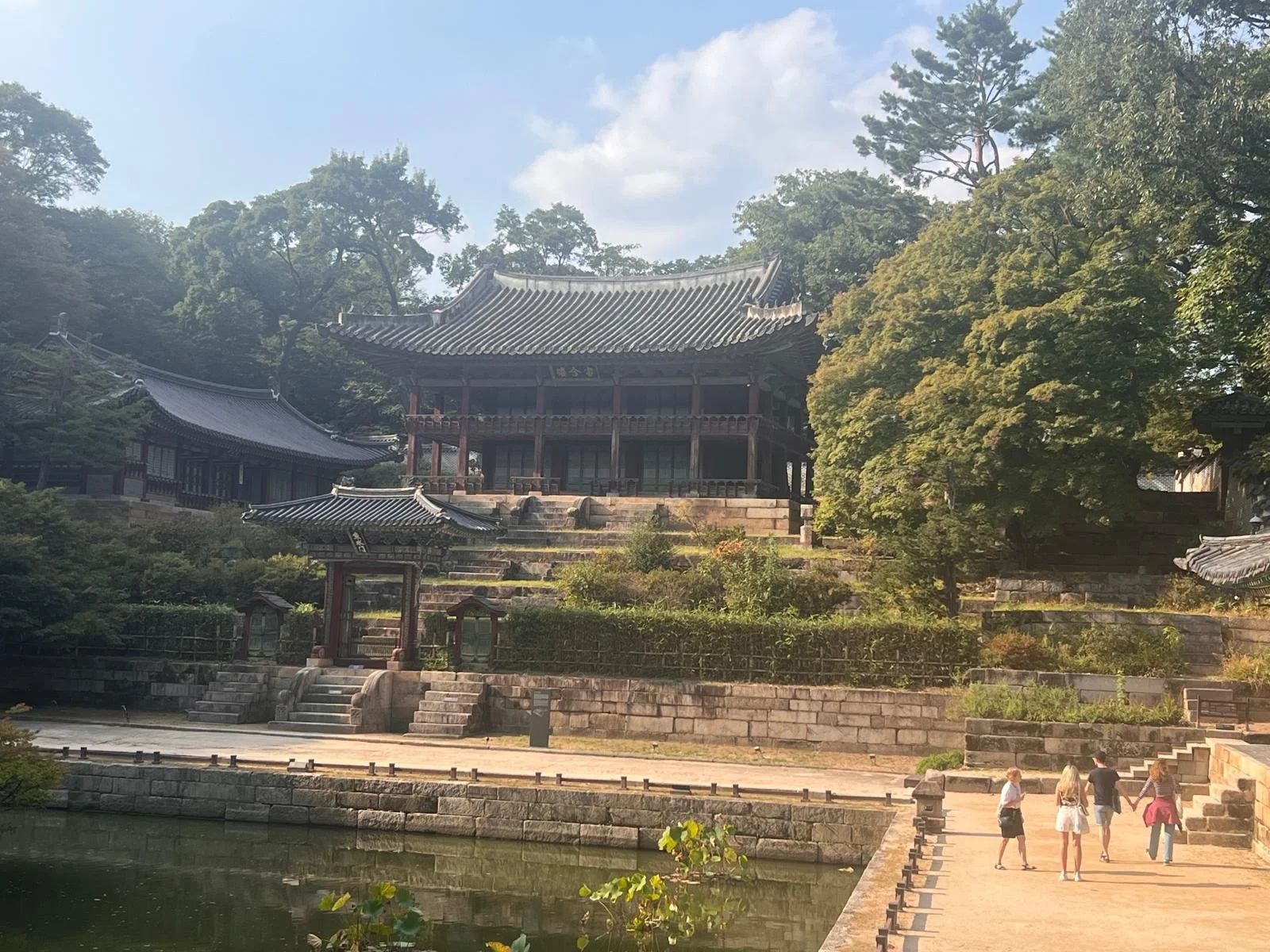
다른 한국 드라마가 없나 살펴본다. 이번에는 좀 더 역사적인 배경을 담은 것 같다. ‘미스터 선샤인’은 90여년 전의 이야기를 담았는데, 말들이 어쩐지 우아하고 고풍스러운 것 같다. 여주인공이 입은 단아한 한복을 입고 싶기도 하고, 서울의 가을 고궁을 걷고 싶기도 하다.
한국어를 배운다는 것은 당신이 하나의 특별한 취향을 갖는 것이다. 한국어는 흔한 언어가 아니라 현대와 고대가 섞여 있는 깊은 문화를 가진 언어이다. 당신이 한국어를 배운다는 것은 고대어를 배우면서 동시에 현대어를 배우는 것이다. 그리고 여전히 한국어에 초심자인 당신이라면, 아무리 현대 한국어를 들은들 마치 주문을 외우는 것 같은 고대어처럼 느껴질 수도 있다.
내 취향은 한국어를 탐구하는 것이다. 사실 나는 오랫동안 한국어 및 언어학에 천착해왔다. 취향이라고 하기에는 직업이 되어버려서 과연 이것이 지속 가능한 취향인가 싶지만, 아직은 내 모국어를 연구하는 것이 좋다.
한국어 교육에 대해 오래 있다 보니 업과 취향이 같아졌다 할 수 있다. 취향이 업이 되면 그 취향을 버릴 수도 더욱 좋아할 수도 있을 것이다. 영화를 좋아하는 이가 영화평론가가 된다면 영원히 영화를 좋아할 것인가? 어쩌면 불가능한 일일 수도 있다. 세상에는 별의별 사람들이 있는 만큼, 별의별 영화가 다 있다는 것을 우리는 안다. 어떤 영화는 5분도 앉아서 보기 어려운 영화들도 있다.
다시 나의 취향으로 돌아와서, 어쩌면 나는 한국을 떠나 오랫동안 디아스포라의 위치에 있으면서 이것을 나의 하나의 선호가 강한 취향으로 가졌다고 할 수 있다.
나는 내가 한국어를 배우고 가르치면서 겪어왔던 모든 시행착오와 깨달은 점들을 당신들과 교류하고 싶다.
나는 학습자들과의 교감을 즐기며, 당신이 알기 원하는 어느 지점이든 가 닿아서 좀더 능통하게 깊이있게 한국어에 접근할 수 있다. 여기는 공장형 어학원이 아니다. 많은 학생들을 한꺼번에 가르치는 그룹 수업보다는 개개인을 가르치는 것이 훨씬 나의 취향에 맞고, 좀더 깊이 있게 전할 수 있다고 생각한다. 그 보이지 않지만 서로가 묵시적, 명시적으로 아는 그 미지의 영역을 분석하고 공유하는 것을 좋아한다. 그러면서 나도 즐겁게 배울 수 있다. 그런 면에서 현대의 빠른 흐름을 읽어내면서, 수천년의 역사를 품은 이 매력적인 언어인 한국어를 당신의 취향으로 삼는 것은 어떠한지 제안해본다. 그것은 꽤나 재미있고 멋진 일일 것이다.
For Those Who Feel Trapped in Everyday Life: Why You Need a Taste for Korean
What is your taste? What do you enjoy?
Our tastes develop through choices. From an endless range of possibilities, we begin to select what appeals to us, gradually narrowing our focus and discovering what we truly enjoy.
Imagine that you have always been interested in people's stories. One day, quite by chance, you come across a Korean drama on Netflix called My Liberation Notes.
The conversations sound unfamiliar, yet there is something intriguing about them. The characters can seem blunt, even indifferent, and yet their words carry an unexpected warmth. The language almost sounds like music.
Like the characters who commute by subway every day, you begin to imagine yourself taking the Seoul subway one day, experiencing the rhythm of ordinary Korean life for yourself.
You wonder what other Korean dramas might offer. This time, you come across Mr. Sunshine, a story set against a historical backdrop. Although it takes place more than a century ago, the language feels remarkably elegant and old-fashioned. You find yourself drawn to the graceful simplicity of the heroine's hanbok. Perhaps you would also love to walk through one of Seoul's royal palaces on an autumn afternoon.
Learning Korean can be the beginning of developing a distinctive taste of your own.
Korean is not simply another language to add to your list. It is a language shaped by a rich cultural heritage, where the ancient and the contemporary coexist. To learn Korean is, in a sense, to explore both an ancient language and a modern one at the same time.
And if you are still a beginner, even contemporary Korean may sound like an ancient incantation. You can hear the words, but their meaning and rhythm remain beyond your reach.
My own passion is exploring the Korean language.
I have devoted a considerable part of my life to studying Korean and linguistics. It has become my profession, so I sometimes wonder whether something that has turned into work can still be called a personal passion. Yet I continue to find pleasure in exploring my own mother tongue.
After spending so many years in Korean language education, I could say that my profession and my personal interests have become one and the same.
But what happens when a passion becomes a profession? Does it make us love that passion even more, or can it eventually take away the pleasure we once found in it?
If someone who loves films becomes a film critic, will they continue to love every film they watch? Perhaps not. We know there are all kinds of people in the world, and there are all kinds of films, too. Some films are so difficult to enjoy that sitting through even five minutes can feel like a challenge.
Returning to my own passion, perhaps my strong attachment to Korean has something to do with having lived outside Korea for so long, occupying a position within the Korean diaspora. Distance may have turned my mother tongue into something I want to explore more deeply, rather than something I simply take for granted.
I would love to share with you everything I have learned through the challenges, discoveries and countless trial-and-error experiences of learning and teaching Korean.
I enjoy connecting with my students. Wherever your curiosity takes you, I want to meet you there and help you approach Korean with greater fluency, confidence and depth.
This is not a factory-style language school.
Rather than teaching large groups of students all at once, I prefer working with individuals. It suits my teaching philosophy and allows me to share the language in a much more thoughtful and meaningful way.
I enjoy exploring and making sense of those subtle, often invisible aspects of language — the things that we may understand intuitively, even when we cannot quite explain them. Some are shared implicitly; others can be brought into the open through discussion and analysis. I love examining these unknown territories together with my students. And in the process, I continue to learn, too.
So, as we navigate the fast-moving world of today, why not make Korean your own particular passion — a fascinating language that embraces thousands of years of history while continuing to evolve with the times?
It could be a surprisingly enjoyable and rewarding journey.
And perhaps, along the way, you will discover a little more about yourself, too.